Why Your Speakers Sound Muffled (It's Probably Not What You Think)
By Sarah Chen — Phone Repair Technician
By Sarah Chen — Phone Repair Technician
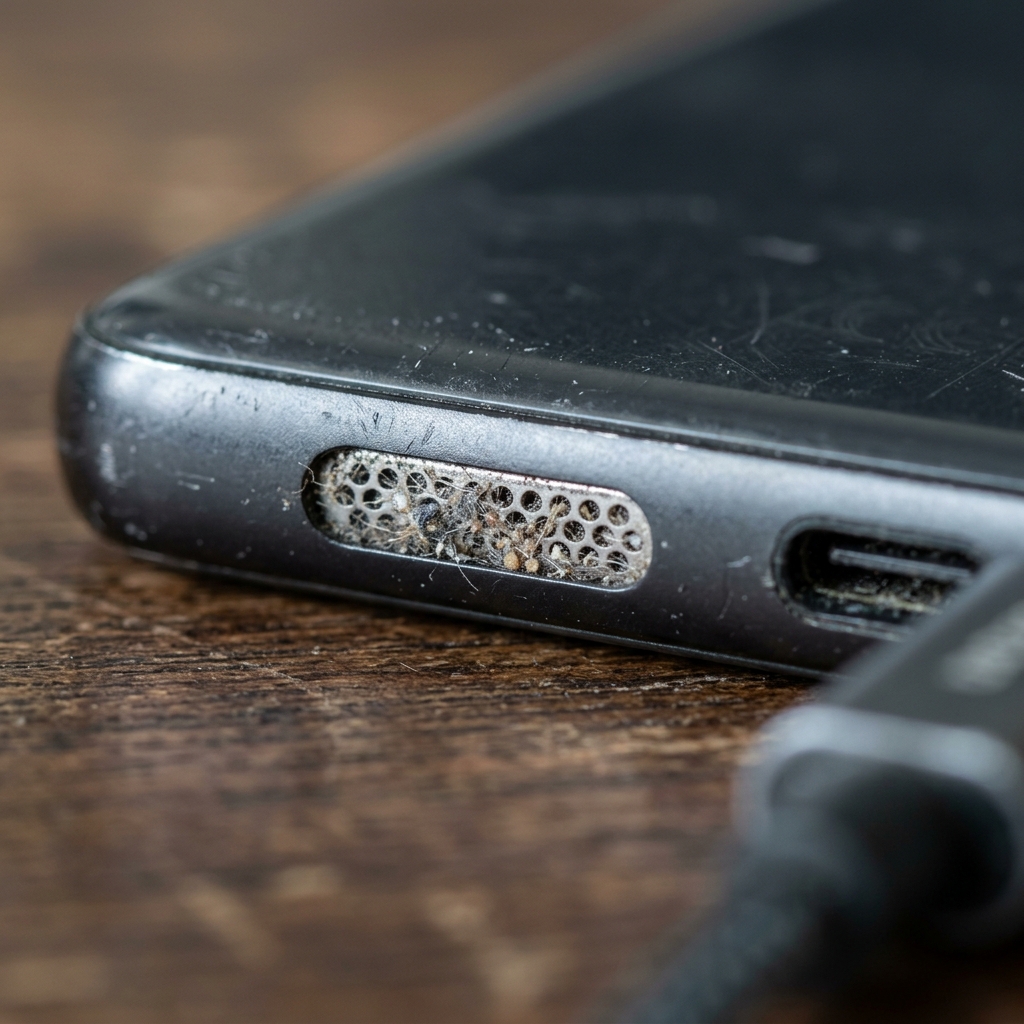
A common user complaint in the mobile device industry is sudden audio degradation or muffled speakers. While hardware failure is often suspected, exhaustive testing by ClearWave Labs reveals that approximately 70% of degraded smartphone speakers are simply obstructed by accumulated debris rather than suffering mechanical failure.
Smartphone speaker grilles are microscopic, typically measuring less than a millimeter wide. While designed to prevent particulate entry, these grilles simultaneously trap environmental debris. Common microscopic obstructions include pocket lint, dead skin cells, environmental dust, and dried mineral deposits from condensation.
Because this accumulation occurs gradually over weeks or months, users rarely notice the issue until the audio distortion becomes severe. At the point of noticeable muffling, the tiny openings are generally blocked by weeks of compacted buildup.
Disassembly of extensive consumer devices confirms that combinations of fabric fibers, environmental silica, moisture, and micro-particles form complex blockages that significantly impair sound transmission.
Surface-level cleaning is generally ineffective. The protective mesh architecture traps debris internally, rendering microfiber cloths useless for deep extraction. Mechanical removal of the grille is impossible without specialized tools and risks device damage.
The scientific solution relies on acoustic ejection. Low-frequency sound waves (specifically 165Hz to 230Hz) generate mechanical vibrations capable of dislodging trapped particles. These sound waves produce pressure variations that exert physical force on the obstruction, effectively clearing the acoustic chamber without relying on liquid or mechanical scraping.
Preventative speaker maintenance is highly recommended to ensure long-term device acoustic health. Running a 60-second acoustic cleaning cycle monthly prevents progressive particulate buildup before it impacts audio clarity.
For devices exhibiting severe audio muffling, executing a sound-based cleaning cycle is a critical first diagnostic step before pursuing invasive hardware repair or replacement. In the overwhelming majority of cases, a brief application of targeted sound frequencies fully restores original audio fidelity.
Try Speaker Wizard's cleaning cycle—it takes 60 seconds and could save you a trip to the repair shop.